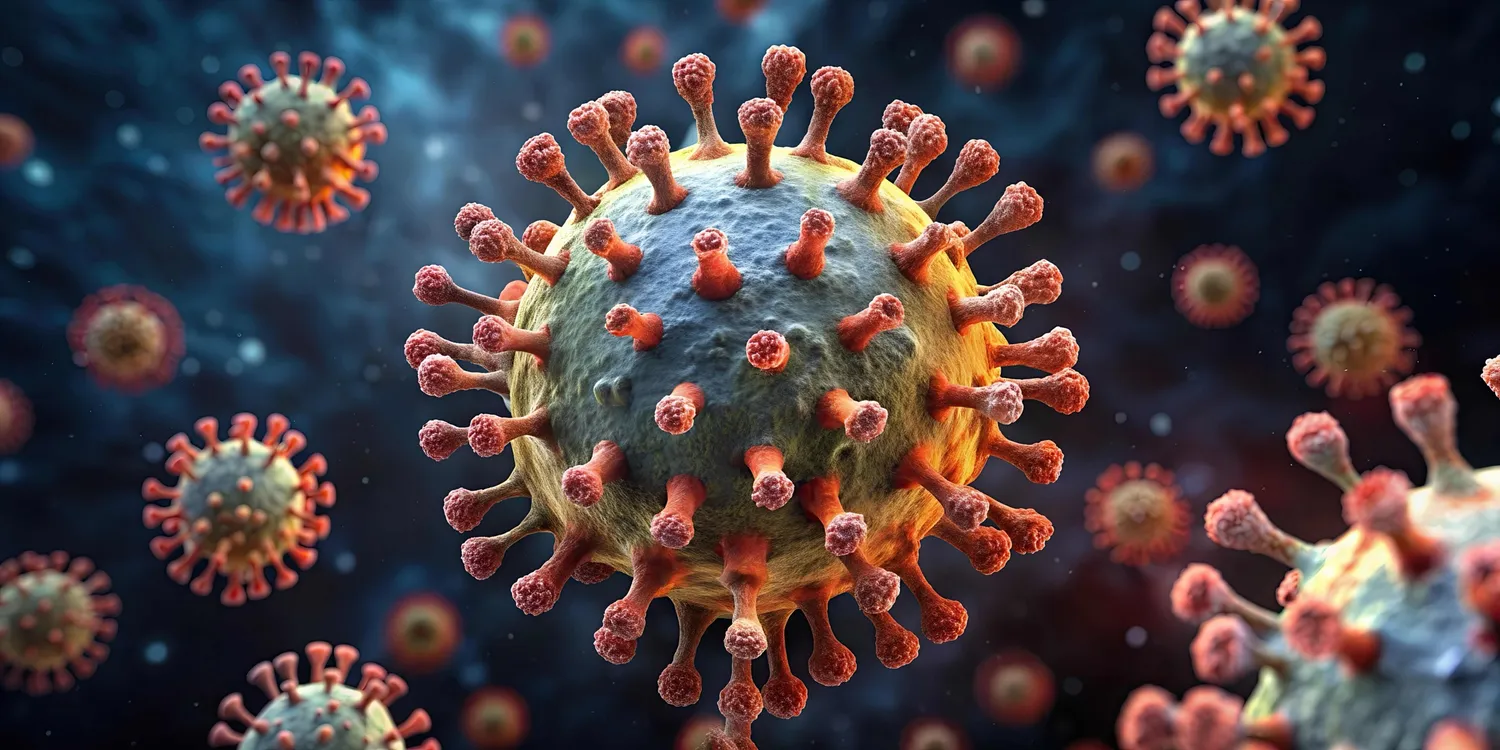
Bloodborne Pathogens Safety Training
OSHA Regulation 29 CFR 1910.1030
This online training course provides essential knowledge about bloodborne pathogens based on OSHA’s 29 CFR 1910.1030.
Throughout the course, participants will gain critical information necessary for recognizing and managing bloodborne pathogens in the workplace. This Bloodborne Pathogens Training is designed to provide you with a comprehensive understanding of the risks associated with exposure to these pathogens and the essential safety measures required to minimize those risks. You will explore key topics such as OSHA’s Bloodborne Pathogens regulations, identifying workplace hazards, and implementing effective exposure control plans (ECPs). Additionally, you will learn about the importance of personal protective equipment (PPE) in safeguarding against these hazards. Through real-world case studies, you will engage with practical examples that highlight the significance of safety protocols and the potential consequences of inadequate protection. By the end of this bloodborne pathogens training, you will have gained valuable knowledge and tools that can help enhance your understanding of compliance with safety standards and support efforts to create a safer workplace for yourself, and your colleagues, as well as a printable Bloodborne Pathogens training certificate.
Who this course is for:
This comprehensive online course is designed for employees in various industries who may encounter bloodborne pathogens (BBPs) in their work environment including but not limited to construction, healthcare, public safety, sanitation and waste management, education, body piercers and tattoo artists, veterinary services, sports and fitness, and more.
Course Topics Include:
Welcome to the Course!
Understanding OSHA and Its Mission
Purpose of the Bloodborne Pathogens Standard
Scope of the Regulation
What You Will Learn
Key Definitions and Terminology
Understanding Bloodborne Pathogens: Risks and Key Viruses
Pathogens
Hepatitis B Virus (HBV)
Hepatitis C Virus (HCV)
Human Immunodeficiency Virus (HIV)
Why Understanding These Pathogens is Crucial
Common Transmission Methods
Occupations at Risk of Exposure to Bloodborne Pathogens
Why This Knowledge Matters in the Workplace
Exposure Control Plans and Universal Precautions
Exposure Control Plans: The Foundation of Workplace Safety
Purpose of an Exposure Control Plan
Key Components of an ECP
Universal Precautions: A Guiding Principle
The Importance of Universal Precautions
Examples of Universal Precautions in Action
Methods of Compliance
Understanding Methods of Compliance
Universal Precautions
Engineering Controls
Examples of Engineering Controls
Best Practices for Engineering Controls
Work Practice Controls
Importance of Work Practice Controls
Personal Protective Equipment (PPE)
Storage and Disposal
Housekeeping and Waste Disposal Protocols
Understanding Hepatitis B Vaccination in the Workplace
What Employers Need to Do
Deciding to Accept or Decline the Vaccine
Post-Exposure Evaluation and Follow-Up
Ensuring Safety After an Exposure Incident
Ensuring OSHA Compliance
Communication of Hazards to Employees
The Critical Role of Hazard Communication in Workplace Safety
Fostering a Culture of Safety
Recordkeeping and Sharps Injury Log
The Importance of Accurate Recordkeeping in Workplace Safety
Why Accurate Recordkeeping Matters
Conclusion
The Importance of Compliance and Safety
Looking Ahead
Final Exam
Estimated Length of Course: 2 Hours
Federal Recertification Requirement:
OSHA States:
At the time of initial assignment to tasks where occupational exposure may take place;
At least annually thereafter.