
OSHA Hot Work Safety Training
29 CFR 1910 Subpart Q – §1910.252

Bulk Pricing
Save more when you purchase multiple seats for your team.
Need more than 100 seats? Contact our sales team for custom enterprise pricing.
Get Your Hot Work Online Training Certification Online | Welding, Cutting & Brazing Training
Complete OSHA 29 CFR 1910 Subpart Q – §1910.252 Hot Work Training for Fire Prevention, Fire Watch & Permit Authorization
Product Details
Description
About This OSHA Hot Work Safety Training Course
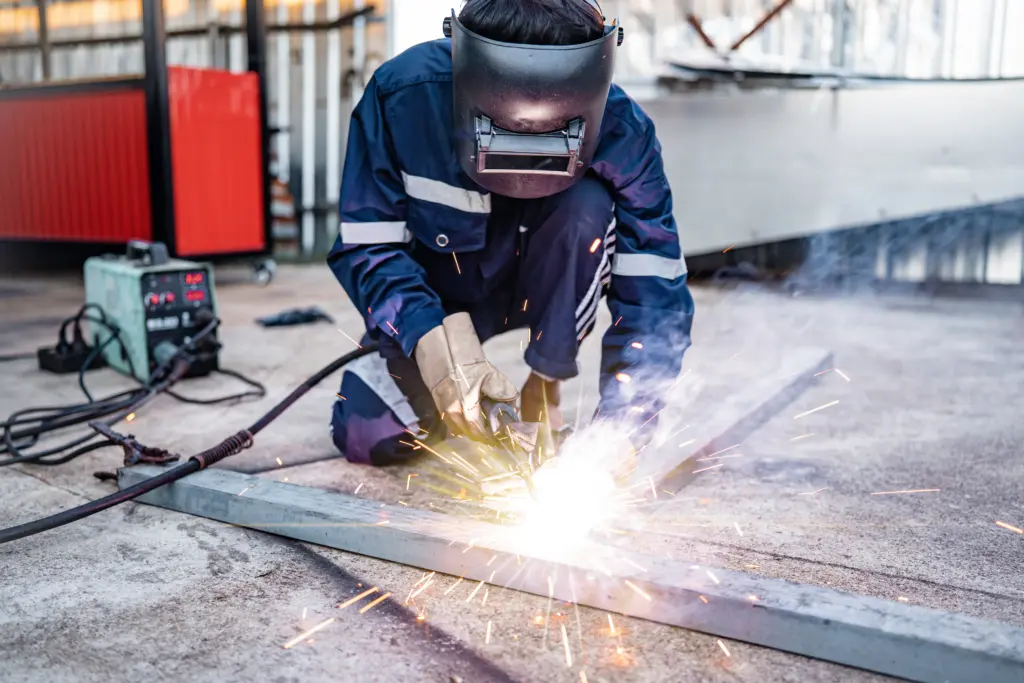
This hot work safety course provides comprehensive training on fire prevention, personal protection, and health hazards associated with welding, cutting, brazing, and grinding operations. Covering 29 CFR 1910 Subpart Q with focus on §1910.252 General Requirements, this online training teaches workers to recognize fire hazards, implement proper permit systems, perform fire watch duties, and follow safe work practices.
According to FM Global, poorly managed hot work operations cost businesses an average of $5.1 million per incident. But the real cost isn’t measured in dollars—it’s measured in lives changed forever by preventable injuries and fatalities. This course provides the foundational knowledge required to protect yourself and coworkers from fires, explosions, burns, and toxic fume exposure during hot work operations.
Reviews
Course Includes
- Interactive Training Modules
- Real-World Case Studies
- Mindful Minute
- Final Assessment
- Ergonomics Break
- Instant Certificate Upon Completion
- Lifetime Access to Resources
- Mobile-Friendly Learning Platform
Course Content
- Understanding Hot Work Operations and Hazards
- Fire Prevention Fundamentals
- Hot Work Permits and Authorization
- Fire Watch Requirements and Duties
- Personnel Protection
- Health Protection and Ventilation
- Hot Work on Containers and in Confined Spaces
- Emergency Response
Who This Course is For
- Welders and welding operators (arc, gas, resistance)
- Cutting torch operators
- Brazers and solderers
- Grinding and metal finishing workers
- Fire watch personnel
- Permit Authorizing Individuals (PAIs)
- Maintenance technicians who perform occasional hot work
- Supervisors responsible for hot work operations
- Facility managers and safety coordinators
Work Settings
- Manufacturing and fabrication facilities
- Maintenance and repair shops
- Shipyards and marine repair
- Refineries and chemical plants
- Power generation facilities
- Steel mills and metal processing
- Warehouse and storage facilities
- Any general industry setting where hot work operations occur
Additional Product Details
OSHA Training Requirements | 29 CFR 1910.252
When Hot Work Safety Training Is Required:
- Before performing any welding, cutting, brazing, or grinding operations
- Before serving as a fire watch during hot work operations
- Before being designated as a Permit Authorizing Individual (PAI)
- When job assignments change to include hot work responsibilities
- When new equipment or hot work processes are introduced
- After incidents or near-misses involving hot work fires
- As refresher training per employer policy
Why Choose This Hot Work Safety Certification?
OSHA Subpart Q Compliance
Addresses all requirements of OSHA 29 CFR 1910 Subpart Q (Welding, Cutting and Brazing) with comprehensive coverage of §1910.252 General Requirements including fire prevention, personnel protection, and health protection.
Comprehensive Fire Prevention Training
Goes beyond basic welding safety to address the complete fire prevention hierarchy, hot work permit systems, fire watch duties, and the critical 30-minute post-work monitoring period that prevents delayed ignition fires.
All Hot Work Operations Covered
- Arc welding and cutting operations
- Gas welding and oxy-fuel cutting
- Brazing and solderin
- Grinding operation
- Container and confined space hot work
Immediate Certificate Access
Upon completion, receive your printable Hot Work Safety Training Certificate instantly—valid for documenting the training component of OSHA-required hot work safety programs.
Flexible Online Learning
- Complete training at your own pace
- Access from any device (computer, tablet, mobile)
- No scheduling conflicts or travel required
- Affordable alternative to in-person classroom training
Frequently Asked Questions
How long does hot work safety training take?
This online hot work safety certification takes approximately 2-3 hours to complete, including the final exam. You can work at your own pace and pause/resume as needed.
What score do I need to pass?
You must achieve a minimum score of 70% on the final assessment. You have up to 3 attempts to pass.
What is the 35-foot rule in hot work?
The 35-foot rule defines the fire hazard zone around hot work operations. Sparks from welding and cutting routinely travel 35 feet (10.7 meters). Floors must be swept clean within this radius, combustibles should be relocated at least 35 feet away, and fire watch is required when combustibles within 35 feet cannot be moved.
How long must fire watch continue after hot work ends?
Fire watch must be maintained for at least 30 minutes after hot work is complete. This critical period catches smoldering fires that can develop from sparks landing in concealed areas. Many organizations and insurers require 60 minutes or longer.
What is a Permit Authorizing Individual (PAI)?
The PAI is the person designated by management to inspect the hot work area, designate required precautions, and authorize hot work to proceed. The PAI must personally inspect the area before granting authorization and cannot delegate this responsibility to the person performing the hot work.
What filter lens shade do I need for arc welding?
Filter lens shade selection depends on electrode size: Shade 10 for small electrodes (1/16″ to 5/32″), Shade 12 for medium electrodes (3/16″ to 1/4″), and Shade 14 for large electrodes (5/16″ to 3/8″). Carbon arc welding requires Shade 14. Gas welding typically requires Shade 4-8.
Can I weld on a used container?
Hot work cannot be performed on used drums, barrels, tanks, or containers until they have been thoroughly cleaned, vented, tested, and preferably purged with inert gas. A container that appears empty can still contain enough flammable vapor to explode. Container explosions give no second chances.
When is mechanical ventilation required for welding?
Mechanical ventilation at 2,000 CFM per welder is required when workspace is less than 10,000 cubic feet per welder, ceiling height is less than 16 feet, or cross-ventilation is obstructed. Hazardous materials like cadmium, beryllium, and lead require local exhaust ventilation regardless of space conditions.
$41.95
Bulk Pricing
Save more when you purchase multiple seats for your team.
Need more than 100 seats? Contact our sales team for custom enterprise pricing.


Reviews
There are no reviews yet.